Latest News
Deer on the Move: Tips for Staying Safe on Georgia Roads During Rut Season
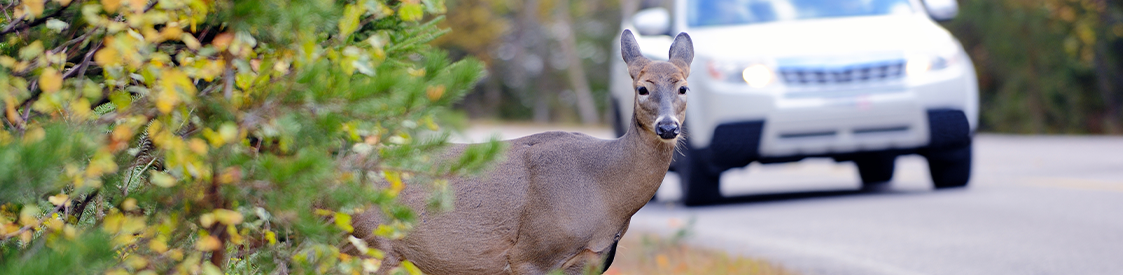
As the weather cools and fall settles across Georgia, deer become more active—and that can mean a greater risk of collisions on the road. During rut season, or deer mating season, deer move more frequently as they search for mates, sometimes darting into traffic with little warning.
According to the Georgia Department of Natural Resources, peak deer-vehicle collisions occur during the fall breeding season in the months of October, November, and December. Whether you’re commuting to work, running errands, or heading out for a weekend drive, staying alert can help protect you, your passengers, and your vehicle.
Keep these tips in mind to help reduce your risk of a deer collision:
- Stay alert at dawn and dusk. Deer are especially active during these hours, so use extra caution when driving in low-light conditions.
- Remember that deer rarely travel alone. If one deer crosses the road, others may follow close behind. Slow down and watch for additional deer before continuing.
- Pay attention to brake lights ahead. If drivers in front of you suddenly slow down, a deer may be near the roadway. Stay alert as you approach and pass the area.
- Slow down and scan the roadside. Watch the shoulders, tree lines, and nearby fields for deer that may be preparing to cross. Reducing your speed gives you more time to react.
- Take deer-crossing signs seriously. These signs indicate areas where deer are commonly seen. Stay vigilant and adjust your speed accordingly.
- Use extra caution when driving at night. Reduce your speed so you have more time to spot deer in your headlights. Dimming your dashboard lights slightly may also help you see more clearly outside your vehicle.
- Watch for steep banks and wooded areas. Deer can emerge suddenly from roadside embankments, dense vegetation, and other areas with limited visibility.
- Expect unpredictable movements. Headlights and traffic can startle deer, causing them to freeze or change direction unexpectedly. Young deer may be especially unpredictable.
- Don’t assume a deer has cleared your path. Deer can slip on pavement or change direction suddenly, even when they appear to be moving away from your vehicle.
What Should You Do if a Deer Jumps in Front of Your Car?
Even the most cautious drivers can encounter a deer unexpectedly. If a collision appears unavoidable, brake firmly while maintaining control of your vehicle, and keep your steering steady. Avoid swerving to miss the deer, as this could cause you to lose control or collide with another vehicle or roadside obstacle.
If you do hit a deer, move to a safe location, if possible, turn on your hazard lights, and check for injuries. Contact law enforcement if needed and document the incident for your insurance claim.
Drive Safely This Rut Season
A little extra caution can go a long way toward helping you avoid a collision during Georgia’s deer rut season. Stay alert, slow down in areas where deer are common, and give yourself plenty of time to react.
And if the unexpected happens, knowing what to do next can make a stressful situation easier to manage. If you’re insured with Georgia Farm Bureau Insurance and need to report a deer collision, you can start your claim online here.

Home Office
1620 Bass Road
Macon, GA 31210
© 2026 - Georgia Farm Bureau Mutual Insurance
Follow Us


